Why Growing Your Revenue Might Be Killing Your Business: 5 Surprising Cash Flow Truths
The “Successful” Business Paradox
Imagine this: your sales dashboard is a sea of green. You’ve just hit record-breaking revenue, your team is operating at full throttle, and the market is finally biting. But when you log into your bank portal to cover a mid-month vendor invoice, the screen stares back with a dangerously low balance.
This is the cognitive dissonance of the “Growth Trap.” Many ambitious founders learn the hard way that profit on a P&L statement is merely an accounting opinion – cash in the bank is the only reality.
Cash flow problems are rarely the result of a single catastrophe; they are the result of structural, silent leaks that drain your lifeblood while you’re busy celebrating your top-line success. To scale with control, you must bridge the gap between financial complexity and strategic clarity. Here are five surprising truths about why growth might be draining your bank account.
1. You Might Be Overtrading Your Way to Bankruptcy
Overtrading is the silent killer of the “successful” startup. It occurs when a business scales its operations without the strategic financial model required to support that expansion. When you chase rapid growth, your immediate expenses – inventory, payroll, and marketing – spike instantly.
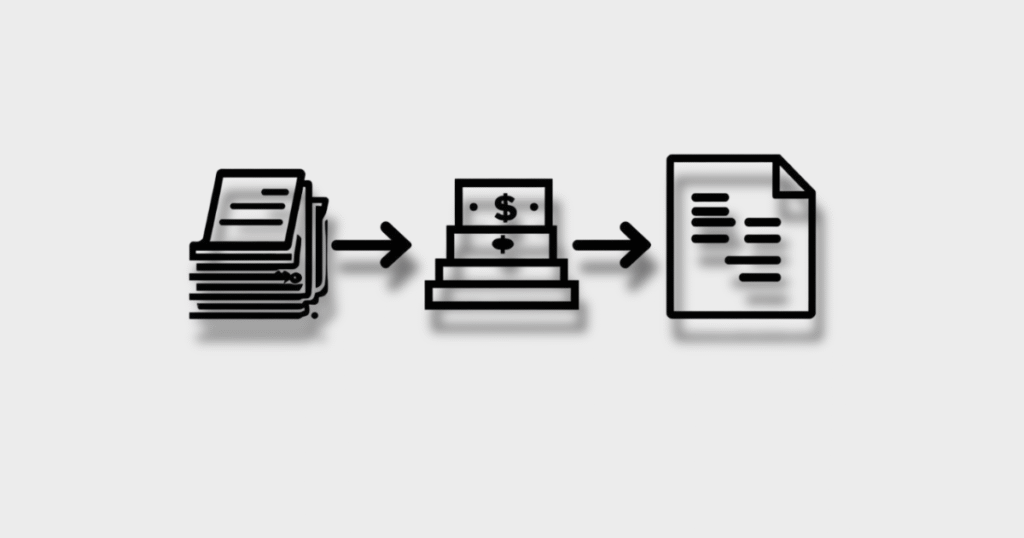
The danger is counter-intuitive: your expenses are due today, but the cash from those record-breaking sales may not arrive for 30, 60, or even 90 days. This timing gap creates a lethal bottleneck. By taking on that “dream” order without the necessary working capital, you may inadvertently starve your business of the very oxygen it needs to survive the fulfillment process.
2. You Are Accidentally Acting as an Interest-Free Bank
Liquidity often evaporates because of a simple, avoidable misalignment: you pay your bills faster than your customers pay theirs. If your suppliers demand payment within 15 days, but your clients take 60 days to settle their invoices, you are effectively financing your customers’ businesses with your own capital.
Poor Accounts Receivable (AR) management and poorly negotiated Accounts Payable (AP) terms are the fastest ways to drain your liquidity. To fix these cash flow issues, you must stop being a polite lender and start being a disciplined strategist. Implement specific tactics to tighten the cycle: offer small discounts to clients who settle invoices within 10 days, and renegotiate terms with your long-term suppliers to move toward Net-45 or Net-60 windows.
3. High Volume Can Hide “Silent” Margin Leaks
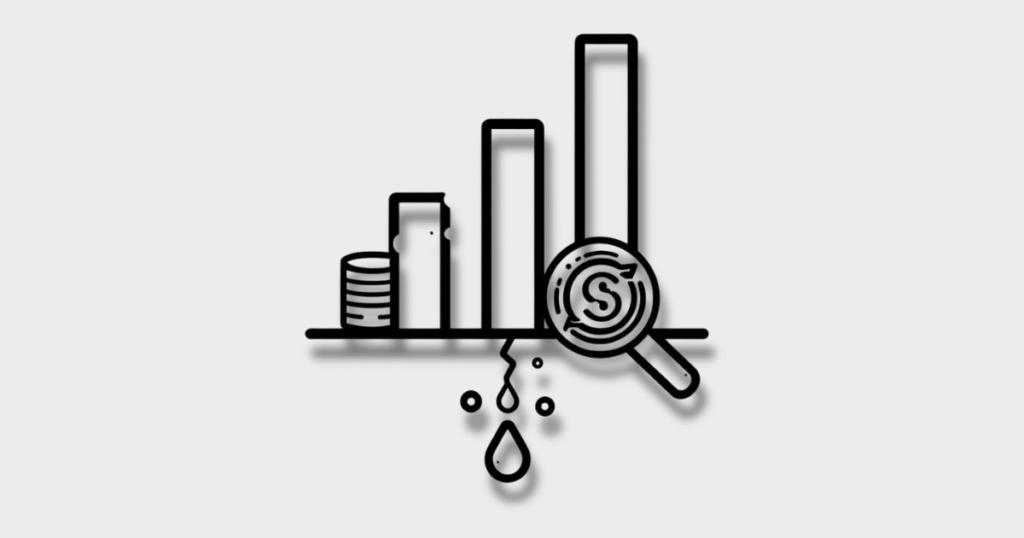
Founders often conflate high volume with high business health. This is a massive mistake. Volume can act as a mask that hides eroding gross margins. “Operational creep” – the steady rise of material costs, software subscriptions, and overhead – can quietly eat your profits while you’re distracted by sales growth.
Without deep financial visibility, you might be selling a massive volume of a product that actually loses money once all direct and indirect costs are factored in. This is where a Margin Diagnostics Audit becomes essential. It acts as the bridge to proactive management, allowing you to break down profitability by product line and confidently adjust pricing or cut unprofitable offerings before they sink the ship.
4. You Are Managing Through the “Rearview Mirror”
Most leaders drive their business at 100mph while only looking at the taillights of where they’ve been. Historical accounting tells you what happened; it cannot save you from what is coming.
The shift from historical reporting to a Rolling 13-Week Cash Flow Forecast changes everything. Scenario modeling acts as your early warning system, allowing you to predict shortfalls weeks before they hit. When you can see the roadblocks ahead, you make informed, strategic moves rather than desperate reactions. Clarity replaces mid-month panic.
5. Dead Stock is Literally Dead Cash
For businesses dealing with physical goods, your warehouse is often where your cash goes to die. Holding “dead stock” – inventory that isn’t moving – is the equivalent of a stack of hundred-dollar bills gathering dust.
Data-backed demand planning is the only way to keep your inventory lean and your capital mobile. You need more than just a spreadsheet of what you have; you need to translate raw numbers into actionable direction. This allows you to stop guessing and start ordering exactly what the market demands, ensuring every dollar of working capital is working as hard as you are.
From Complexity to Strategic Clarity
Chronic cash flow problems are merely a symptom; the underlying disease is a lack of financial visibility. Whether you are a scaling startup managing a burn rate or an established SME looking to strengthen profit discipline, growth is only sustainable if it is backed by a future-ready strategy.
Is your current growth trajectory building a sustainable legacy, or is it a silent leak waiting to burst?
To bridge the gap between complexity and clarity, it’s time to look under the hood. At Vireon Insights, we help you uncover hidden margin leaks and establish a 90-day strategy to unlock your cash flow.